-
I Made a Mistake
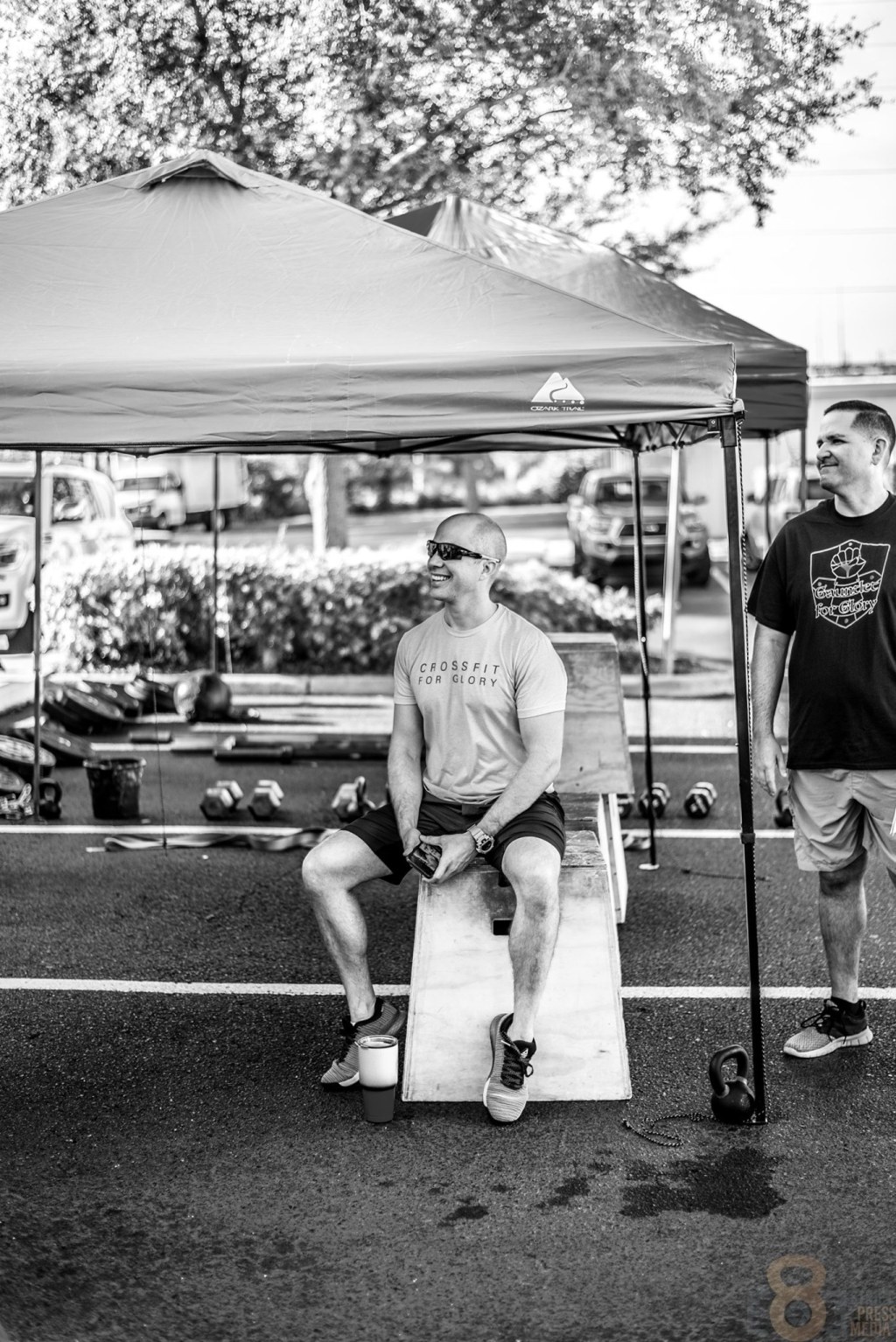
For the past 23 years, I’ve been a coach in the health, fitness, and sports performance fields.
For 13 of those years, I owned my own gym – Coaching For Glory.
For 5 years, I’ve run a company that teaches people how to coach – The Refined Art of Coaching.
And yet, just last month, I thought I was done coaching clients in this area.
I basically came out and said as much.
That was a mistake.
You ever been smacked by God?
One minute, you’re headed down a path of your own creation, blinded by whatever selfish justification you can manage.
And the next, you’re given a violent shove onto a different one.
Just me?
In this case, it was a shove back into the area I’ve been blessed to be part of for more than half of my life.
(Which according to my kids is a REALLLLLLLY long time!)
You see, while I was ready to pack up and move on, God had a different agenda.
He simply turned on the light to bring attention to the work I’ve yet to complete.
When I’m out in my local community, people want to talk to me about their health and fitness: how they can improve it, what I think about the “new” fads out right now, and how they can hang onto their athleticism as they age.
I’m also “the guy” to come to when you want your kids to get stronger, faster, and more powerful.
The irony of all this is that I’ve never stopped coaching clients in person and online.
I told myself that I continue to do it because I love it and it’s a way that I can be of value to others.
And I still tried walking away.
As my Pastor would say, “But God…”
He keeps sending clients my way.
He keeps putting people in my path that need the help that I am happy to provide.
Ok, ok, ok – I get it.
“Not my will, Lord, but yours.”
So what am I saying?
I’ll get back to writing way more about health, fitness, and sports performance.
It doesn’t mean I won’t write to dads about being better leaders at home, just that it won’t be as overt as I tried forcing it to be.
And if you’re looking for a coach to help you stay strong, powerful, and resilient – I’m “the guy.”
-
Science Fair Lessons, Part 2: Reverence
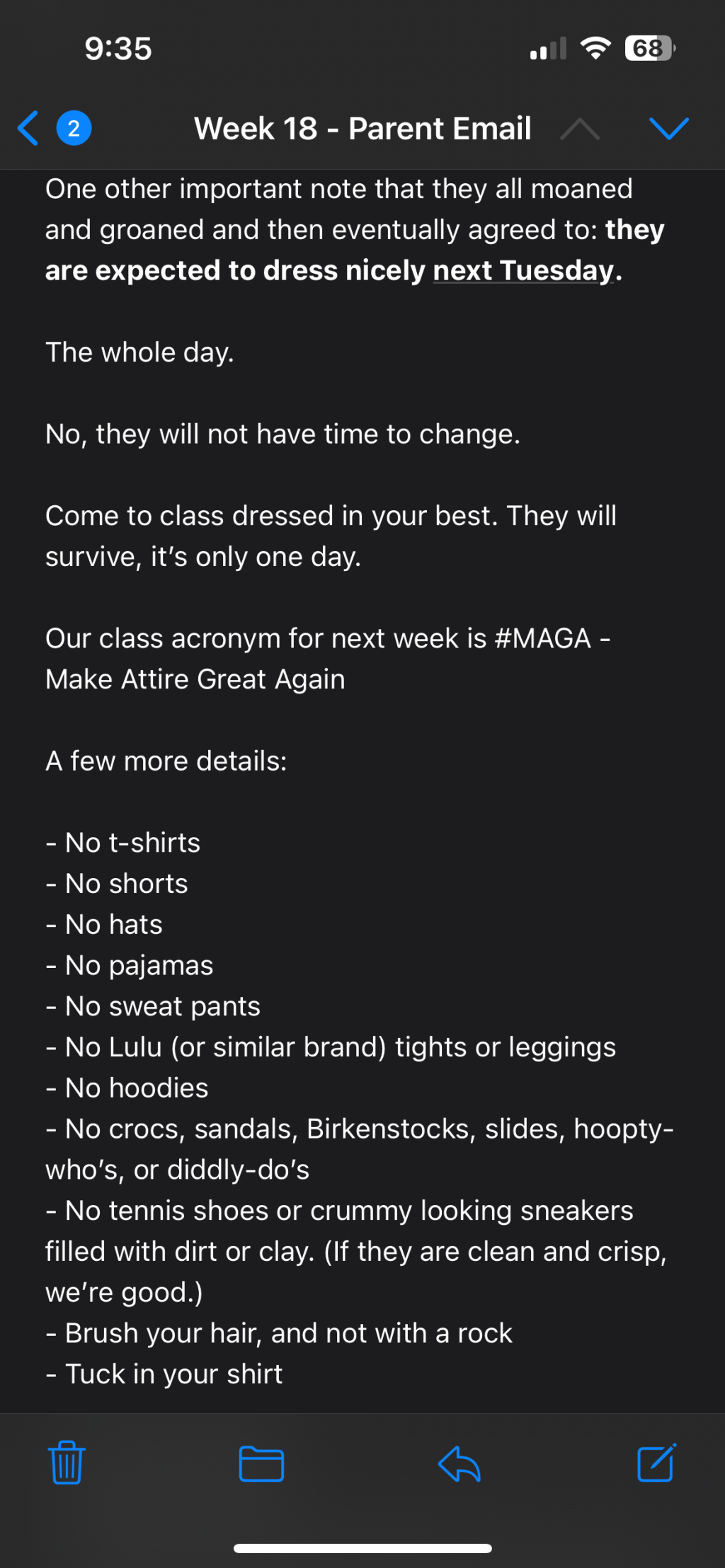
When I went to interview for my position with the Yankees, I showed up in a brand-new suit and tie.
I was interviewing for a job that would have me in a weight room or on a baseball field 90% of the time.
Nobody told me I needed to dress up. In fact the guy who was interviewing me looked at me awkwardly when I walked in and said, “why the heck are you wearing that?”
We had a good laugh as I was sweating bullets outside, walking the fields.
But I never based what to wear on what the job required—I based it on what the moment required.
I wore a suit out of reverence.
Reverence for the opportunity.
Reverence for the people who took the time to interview me.
Reverence for the standard of excellence that the Yankees organization represented.
It wasn’t about trying to impress anyone. It was about recognizing the significance of the moment and presenting myself accordingly.

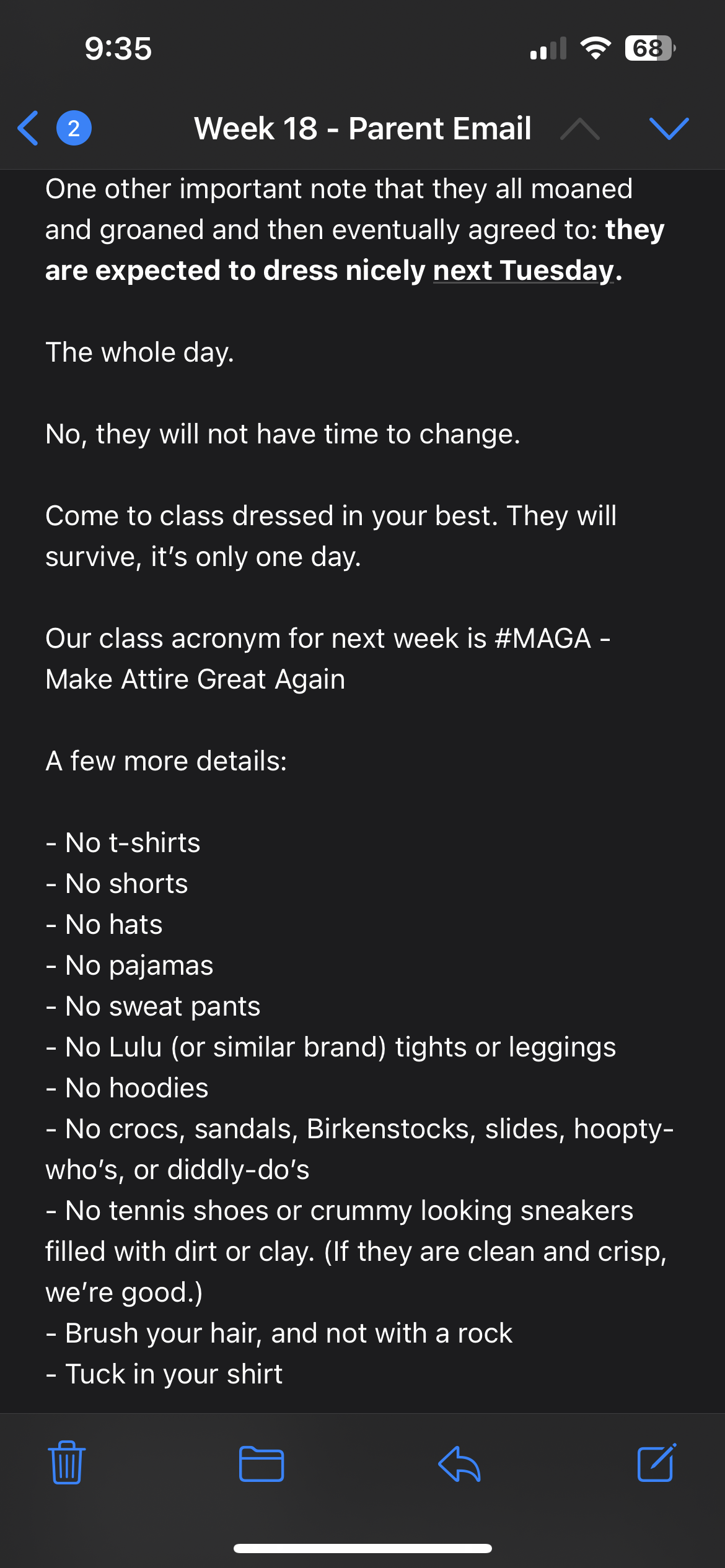
That’s why, for our science fair, I required the students to dress up.
Not because a blazer makes their hypothesis any better.
Not because a tie suddenly validates their months of work.
But because presentation shapes posture, and posture shapes perspective.
I wanted them to feel the weight of what they had accomplished—not just another assignment completed, but a major undertaking brought to completion.
I wanted them to know that when they stood up in front of their peers, parents, and judges, they weren’t just students reciting facts—they were young men and women standing confidently behind their work.
And I wanted them to see that dressing well isn’t about vanity or appearances—it’s about respect.
Respect for the process.
Respect for the effort they put in.
Respect for themselves.

But this lesson isn’t just about science fairs.
We live in a world that has slowly lost its reverence.
We’ve traded honor for convenience.
We’ve replaced formality with informality.
We’ve forgotten that sometimes, the way we present ourselves isn’t just about us—it’s about showing respect for something greater than ourselves.
That’s why we still dress up for church.
Not because God needs us to, but because we need to.
It’s a small act, but small acts shape who we become.
And if we want to raise children who understand reverence—who see the value in respecting sacred moments, hard work, and the presence of something greater than themselves—then we have to give them opportunities to practice reverence.
Even in something as simple as a science fair.
Because how we show up for the small things says a lot about how we’ll show up for the big things.
And reverence is worth showing up for.

-
Science Fair Lessons, Part 1:

I spent a lot of time at the skating rink growing up. That eventually led to me joining a speed skating team, something I’d long dreamed of doing.
In preparing us for any race or meet we had, my coach Sam Johnson would always repeat the phrase “Skate through the line.”
Most adults know what this means, but at the time I didn’t.
When you line up next to someone with the intention to race, it’s natural to “let up” just before you cross the line.
But Coach Sam had seen enough races in his life to know that the winners of the close ones always went to the skater who continued to skate through the line.
Not to the line.
Through the line.
Last week, the group of seventh grade homeschool kids that I’m blessed to tutor each week presented their science fair projects.
It was the culmination of nearly two and a half months of work.
Coming into the final week of preparation, I had but one piece of advice for them: finish well.
In fact, here’s a piece of what I wrote in my weekly parent email:
“Mandy and I were just talking about this last night – I don’t know one adult that I’ve talked to that doesn’t have memories surrounding their own science fair day, no matter how long ago it was! I might not remember my exact project, but I have lots of memories from that entire fiasco, I mean project.
That brings me to one very important point I’d like to highlight for you parents just as I have for the kids a few times now:
The Science Fair Project is really the first “BIG” project that these kids have worked on in their academic career. It’s the culmination of a lot of time, energy, sweat, tears (lots of tears??), frustration, and relief. I really want to implore you to help them bring this thing across the finish line next Tuesday. No matter how good or bad they feel about their project, an immense amount of value surrounding this entire thing is simply the completion of a big project. For this reason, next Tuesday should be an immense source of pride for them, not because they checked all the boxes perfectly, or have the best experiment, or anything like that. But simply because they finished the race.”
As dads, we see this play out all the time. Our kids start projects, sports, commitments—but the real lesson isn’t in starting, it’s in finishing well.
And if we’re honest, we’re no different. Whether it’s work, marriage, or parenting, we all face the temptation to “let up” just before the finish line. To settle instead of pushing through. Or we get distracted by the shiny new object.
But what if we made finishing well a standard in our homes? What if we modeled perseverance for our kids—not just in the big moments, but in the daily ones?
It’s worth reflecting on: Where in your life right now do you need to “skate through the line” instead of coasting to the end?
Hit reply and let me know—what’s an area where you’re recommitting to finishing well? I’d love to hear.
And yes, if you want to go to the skating rink, I’m your guy!
-
Ready to Lead Your Family With Confidence?

The wait is over.
I’m thrilled to officially open enrollment for my 12-week coaching program—designed specifically for Christian dads who are ready to lead their families with intentionality, clarity, and purpose.
If you’ve been feeling:
- Stuck in the daily grind, unsure how to break through and truly show up for your family…
- Disconnected from your wife and kids, longing to strengthen those relationships…
- Overwhelmed by work and life demands, leaving you repeating a cycle of stress and regret
This is your opportunity to step into a new season of leadership.
This program isn’t about adding more to your plate or simply “managing” your time better. It’s about transformation. Over the next 12 weeks, we’ll work together to:
- Craft a clear vision for your family’s future (no more vague ideas).
- Build a game plan of intentional rhythms, rituals, and routines that bring your family forward
- Create a legacy that reflects your faith, values, and purpose—one that lasts for generations.
- Strengthen your faith, fidelity, fatherhood, and fellowship—the core pillars of family leadership.
To celebrate the launch, I’m offering an exclusive Founder’s Rate to the first five people who enroll.
As a Founders Club member, you’ll receive $1,500 worth of additional resources completely free, including:
- An extra deep-dive follow-up session post-program.
- A personalized family legacy roadmap document.
- Access to premium resources like worksheets, toolkits, and curated books.
This is your chance to invest in your family’s future with the clarity, tools, and support you need to create lasting change.
Here’s how to take the next step:
This isn’t a sales pitch. It’s a conversation—a chance for us to talk about where you’re at, where you want to go, and how this program could be the bridge that gets you there.
If you’re ready to take the first step toward leading your family with confidence and purpose, don’t wait—spots are limited.
Let’s make 2025 the year you build a family legacy that lasts for generations.
Looking forward to chatting,
Josh
P.S. Have questions? Not sure if this program is the right fit for you? Hit reply, and let’s talk.
-
18 Summers is Bogus

You’ve probably heard the idea that we only get 18 summers with our kids.
It’s everywhere. The message is simple: Make the most of the time you have, because once your kids grow up, that’s it.
When I first heard it, I nodded along. It made sense. It even felt motivating.
But the more I thought about it, the more I realized: this idea doesn’t align with the vision I have for my family.
It assumes that at 18, our relationship with our kids is essentially over—that they’ll go off into the world, leaving us behind, and our job as parents is simply to launch them into independence.
This is the prevailing wisdom, and reality, in Western culture. We’re told that raising kids means preparing them to become rugged individuals who “make it on their own.”
But that narrative? It’s not rooted in family and certainly doesn’t line up with what the Gospel calls us to.
It’s rooted in hyper-individualism.
And I don’t buy it.
Instead, I want to raise children who are contributors—not just to society but to our family mission and vision that God has called us to. I want to build something that lasts far beyond 18 summers.
But here’s the thing: to build something like that, you need a vision.
When I started thinking about this, I struggled. I didn’t have a clear picture of what I wanted for my family’s future. My ideas were scattered, and honestly, a little vague.
Frankly, they still are.
What am I really working toward? What kind of legacy do I want to leave behind?
Maybe a better question is: what vision am I not ok with coming true?
If you’re anything like I was, maybe you’re asking yourself similar questions.
This is the hard but essential work of leadership—getting clarity about where you’re headed so you can start taking intentional steps to get there.
For me, this clarity came when I realized my family isn’t just a collection of individuals living under the same roof. We’re a team. A ministry. A mission.
And our mission doesn’t expire when the kids turn 18.
When Mandy and I started building a vision for our family, we asked:
- What do we want things to look like when we’re great grandparents?
- How can we create traditions that bind us together, even as our kids grow up?
- What legacy do we want to leave for future generations?
- What are the stories that are important to pass down?
- How do we faithfully steward our gifts so that we provide value to others?
Answering these questions gave us focus. It allowed us to create a game plan for our family’s future—one that’s built around faith, connection, and contribution.
Now, it’s your turn.
What’s your vision for your family?
Even if it feels fuzzy right now, don’t let that stop you. The key is starting the conversation—with yourself, your spouse, and eventually your kids.
And if you’re unsure where to begin, that’s exactly why I created my coaching program. It’s designed to help dads like you craft a vision, even a fuzzy one, for your family’s future and then create a game plan to make it happen.
Because here’s the truth: You don’t have to settle for just 18 summers. You can build a family legacy that lasts for generations.
What does that look like for you? Hit reply and let me know.
-
What’s the Cost of Staying Stuck?
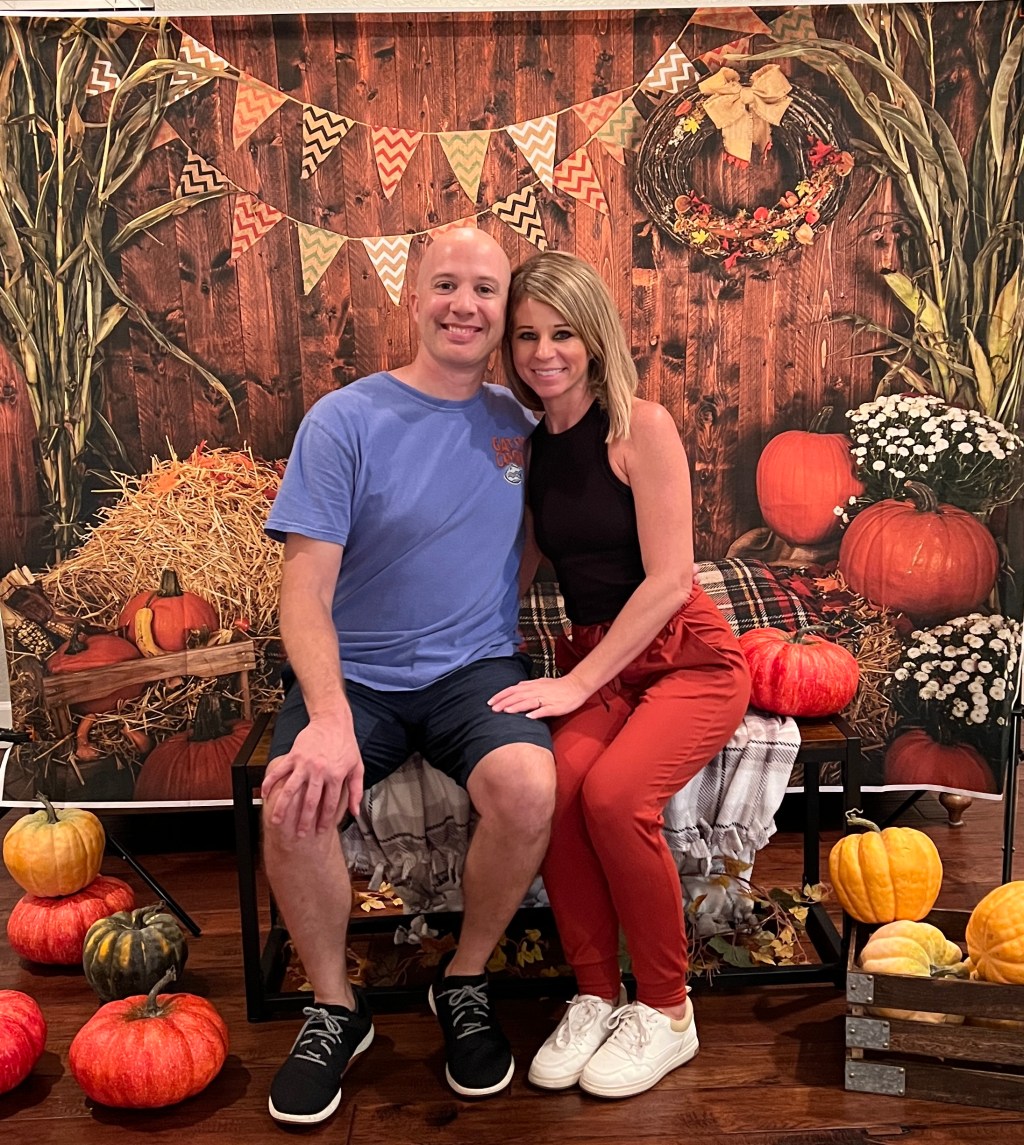
There’s a saying in the health and fitness world that goes like this: “Don’t sacrifice your health in pursuit of wealth, otherwise you’ll spend all your wealth trying to regain your health.”
There’s an interesting bit of psychology hidden beneath that quote – the pursuit of wealth, which I’ll categorize as money, provides a fairly immediate return on your investment.
If you go to work, you get paid.
Sometimes immediately, sometimes in a couple weeks, or even a month.
But the fact remains that this is a very straightforward transaction.
Now here’s an alternate version of that quote, which is not nearly as smooth: “Don’t sacrifice your family in pursuit of success, or you may find yourself with no one to share that success with.”
In both cases, there is a tradeoff between pursuing something with immediate gratification compared to something that doesn’t have any immediate return.
Diabetes, heart attack, chronic aches and pains – these are well-known health issues.
Have you given much thought to the cost of not taking action when it comes to your family?
For me, I realized that every day I delayed stepping into my role as a present, intentional leader at home, I was creating distance.
Distance between my actions and the responsibility that God blessed me with.
Distance between me and my wife.
Distance between me and my kids.
And the truth? That distance wasn’t going to close itself.
When we stay stuck—paralyzed by busyness, stress, or even complacency—we’re paying a price. It might not show up overnight, but over time, you may find:
- A marriage that feels more like a partnership than a relationship.
- Kids who grow up wondering why Dad didn’t lead by example.
- A home that lacks a foundation of faith, trust, and connection.
What I’ve learned is that leadership at home isn’t about being perfect. It’s about taking ownership and making small, intentional choices to close the distance.
Because the cost of staying stuck? It’s far greater than the fear of stepping forward.
So, let me ask you: what’s one area in your family life where you’re feeling stuck right now?
Faith? Fidelity? Fatherhood? Fellowship?
You don’t have to tackle it alone. That’s why I created the Four F’s Framework—to help dads like you take action and lead your family with confidence.
Here’s how you can start taking action today:
- Download the Four F’s self-assessment to quickly identify where you’re stuck and where to focus next. Just hit reply and say, “Send me the PDF.”
OR
- Take the survey for a deeper dive into your family leadership strengths and areas for growth (a limited number of free attempts are available).
Every step you take matters. The question is: will today be the day you move forward?
I’d love to hear from you—what’s holding you back right now? Hit reply and let me know.
-
The Four F’s: A Winning Framework for Family Leadership
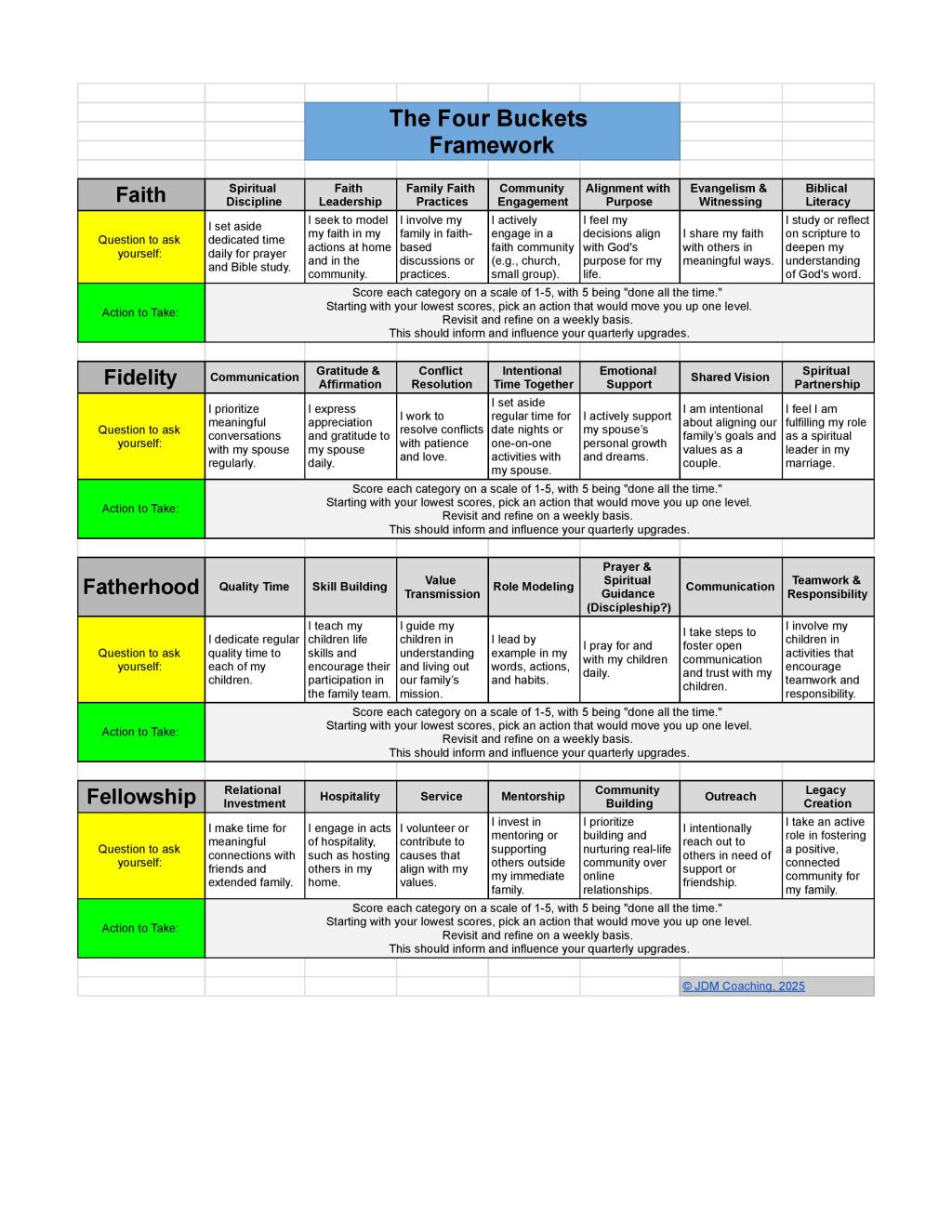
When I was coaching athletes, one of the simplest yet most effective frameworks I created was called the SEMM Model: Sleep, Eat, Move, and Manage.
It worked because it addressed the key areas that every athlete needed to optimize in order to reach peak performance.
Sleep: Recovery was non-negotiable. Rest was as important as training.
Eat: Nutrition wasn’t just fuel—it was foundational.
Move: Strength and conditioning were dialed into their unique needs.
Manage: We taught them to handle the mental and emotional stress of their sport.
What made SEMM so powerful wasn’t just that it was easy to remember—it’s that it covered everything necessary for success. It was comprehensive but simple enough to take action.
As I’ve shifted from coaching athletes to coaching dads, I realized they need a similar framework to thrive. That’s where the Four F’s come in:
Faith: This is the foundation for everything. Just like sleep for an athlete, your family’s spiritual health is non-negotiable. How are you actively prioritizing your walk with God? Are you creating rhythms of prayer, worship, and Bible study as a family?
Fidelity: This focuses on your marriage. If your relationship with your spouse is out of sync, it creates ripple effects across the entire family. What are you doing to invest in your partnership and show your kids what a healthy marriage looks like?
Fatherhood: Leadership at home begins with you. Are you being intentional about guiding your kids, mentoring them, and setting an example of strength and grace? Just as athletes need a coach, your kids need you as their guide.
Fellowship: Families aren’t meant to exist in isolation. How are you building connections with others, creating opportunities for service, and making your home a place of hospitality?
The Four F’s are a blueprint for strengthening your family in every season. Just like SEMM, it’s a clear, actionable framework that allows you to focus on what matters most without feeling overwhelmed.
You don’t need to fix everything all at once. Pick one area and take a small, intentional step forward. Maybe it’s leading a bedtime prayer with your kids (Faith), or hosting another family for dinner (Fellowship).
Progress comes when we stay consistent, stay intentional, and stay present.
The first step is assessing yourself in each area. I’ve got two ways you go do this:
- Hit reply and say “Send me the pdf” – a simple one-page document you can use to assess yourself in all 4 areas.
OR - Click this link to take a short survey – it will give you an in-depth report on how you’re doing and action steps you can start taking today. For what it’s worth, I’ve only got 10 free survey attempts for this one.
Which of the Four F’s stands out as the most important for your family right now? Hit reply and let me know—I’d love to hear how this framework could impact your home.
- Hit reply and say “Send me the pdf” – a simple one-page document you can use to assess yourself in all 4 areas.
-
From the Yankees to Platforms in Spain

While cleaning out our attic recently, I came across a photo of me demonstrating a back squat. The kids noticed that I was wearing a New York Yankees shirt and asked what that was from.
Back before YouTube, we had to use written materials with accompanying photos to demonstrate movements. This photo was for an off-season training manual we were creating for the incoming players.
(And yes, the squat was below parallel. Check the photo for proof, ha!)
Over the years, I’ve had the privilege of working with all sorts of professional athletes – those at the top of their game who came to me for help ascending to the next level.
In every case, we used proven training principles that continue to stand the test of time:
- SAID (Specific Adaptation to Imposed Demand): Your body adapts to the exact stress you put it under.
- MED (Minimum Effective Dose): The smallest input needed to see measurable progress.
- FITT (Frequency, Intensity, Type, and Time): A formula to tailor a training plan to individual goals.
These work because they simplify the overwhelming and make growth sustainable.
Last year, I had a realization that the very principles that allowed my athletes to achieve success are the same ones that work at home, with the family.
Let me explain:
SAID: What’s the “demand” we’re putting on our family? I don’t mean challenges in the negative sense but rather intentional environments where growth happens. Are we creating opportunities for our kids to adapt to responsibilities, resilience, or respect? Families often grow stronger in response to the demands we impose—or neglect to impose. One of places that all parents can relate to: getting your kids involved in chores. If I want my son to begin mowing the lawn, I can’t expect that will happen if all he’s been doing is cleaning the pool. The challenge, or demand, has to be specific.
MED: Tying into the above – I can’t expect my son to just one day pull out the mower, fire it up, and do it to the standard I’ve set. I need to break things down into manageable tasks.
- Here is where the gas goes.
- Here is how to start the mower.
- Here is how to turn it around and keep a straight line.
- Here is how to avoid the sprinkler heads.
This one’s liberating. You don’t need to do it all; you just need to do enough. When I stopped having an expectation of perfection and focused on the smallest consistent actions, everything changed.
Maybe it’s a 10-minute family prayer at bedtime or a weekly “date” with your kids.
Maybe it’s mowing the lawn or putting the dishes away every day.
As my Pastor frequently says: “Small things done over a long period of time are going to produce great results.”
FITT: Leadership at home requires intention. You have to put in the reps. Showing how to mow once is a recipe for disaster and tears. Ask yourself:
- How often do I need to teach this? (Frequency).
- Am I distracted, with phone in hand, while teaching? (Intensity).
- What kind of quality time are we prioritizing? (Type).
- And how much time am I carving out for these moments? (Time).
These principles create a structure for us to lead with clarity and focus, rather than winging it.
The lesson is simple: greatness doesn’t just happen. It’s built, step by step, through small, repeated efforts. And the same is true for leading at home.
If you feel like your family life is being pulled in a hundred directions, maybe it’s time to borrow a page from the athlete’s playbook. Start small, stay consistent, and trust the process.
Which of these principles resonates with you most? Hit reply and let me know—I’d love to hear how you’re applying them at home.
-
A Simple Shift That Created Lasting Change

Several years ago, before heading off to our family’s favorite place to spend time (Asheville, NC), I had a bit of a revelation: I had become a slave to my phone.
More specifically, the notifications.
There are two ways your time gets managed: proactively or reactively.
I was stuck in the latter.
The constant buzz and ding of notifications on my phone were derailing me from the real meaningful work that needed to get done.
But this wasn’t just about getting more done. In fact, that wasn’t my goal at all.
It was about making sure I’d be present where it mattered most – with my family, in the mountains.
So, I made a decision. I turned off all notifications.
No more social media pings telling me if someone commented or liked something I said.
No more emails coming through, demanding my attention right then and there.
This radically quieted things down for me, which I didn’t really take note of until we were out hiking one day.
In the past I’d pick up my phone to snap a pic and get distracted by a notification. After that change, it became ‘pick it up, snap the pic, keep hiking!’
Looking back now after many years of having made that change, I can admit that it hasn’t been easy to stick to.
While I still don’t get notifications at all, I go through periods where I find myself picking up my phone and looking at it for no reason.
Then last year, I got an Apple Watch. Talk about taking some GIANT steps backward.
I just cancelled it.
Actually, I let it die and never charged it back up.
What does this have to do with leading at home?
Everything.
As dads, we’re constantly juggling responsibilities, and it’s easy to let the distractions of work, technology, and modern life pull us away from our most important role — being the head of our household.
But when we are proactive with our time, we can create space for what truly matters: our families.
The next time you find yourself overwhelmed with distractions, ask yourself: Is this helping me lead my family better? Or is it pulling me away from what matters most?
If you’re looking for a way to be more intentional with your time, I encourage you to try this experiment. It might feel small, but the results can be massive.
Worst case is that you set a great example for your kids so that they don’t join the many with their faces constantly glued to their phones.
Let me know where you stand with this, I’d love to hear from you!
-
A Call to Lead at Home

Did you know that your family is your first and most important ministry?
I’ll never forget sitting in church one day, hearing my Pastor talk about family in this way.
For many dads, success is measured in promotions, profits, or professional recognition. But too often, we forget to ask the question: Am I succeeding where it matters most?
That question changed everything for me.
Why Home Leadership Matters
The truth is, leadership at home doesn’t just happen—it requires intentionality. When you lead at home with purpose:
- You create a foundation of presence and participation with your children.
- You model what it means to live with integrity and faith.
- You ensure that your family thrives, not just survives.
Being a leader at home isn’t just a role—it’s a duty outlined in Scripture. And the stakes couldn’t be higher.
The Crisis of Neglecting the First Ministry
Most people know that divorce rates are nearly 50%; did you know they are even higher for entrepreneurs? We’re in a crisis of neglect when it comes to family leadership.
- Fathers are distracted. Work, screens, and busyness pull us away.
- Children are left without direction. Without strong leadership, they look to culture instead of family for guidance.
- Marriages grow distant. Without prioritizing connection, the bond between husband and wife will weaken.
But it doesn’t have to be this way. As fathers, we’re called to steward our families well, to pour into our wives and children, and to ensure our home is a place where faith, love, and purpose flourish.
Defining Mastery in What Matters Most
Mastery is the practice of getting better and better at something that matters. And mastery at home? Well, it’s not about being perfect – it’s about pursuing what matters most. It’s about:
- Faith: Leading your family spiritually through your relationship with God.
- Fidelity: Strengthening your marriage by honoring your wife.
- Fatherhood: Guiding and training up your children with wisdom.
- Fellowship: Building a culture of hospitality and stewardship of your blessings.
Mastery at home is possible—and it’s worth every bit of effort.
Join the Conversation
If you’ve felt the pull to lead your family with greater purpose, you’re not alone. Many dads are seeking clarity and direction to fulfill this vital calling.
Leadership at home isn’t about having all the answers—it’s about taking the first step. What’s one area in your family life where you want to grow? Hit reply and share your thoughts—I’d love to hear your story.
Together, we can redefine what it means to lead at home.
Prefer to receive these updates in your inbox? Click here to subscribe!
-
Subscribe
Subscribed
Already have a WordPress.com account? Log in now.
 For Glory